
Pressure washing, more than just blasting away dirt, is a meticulous art and science. It’s about harnessing the power of water to revitalize surfaces, from weathered decks to grimy driveways. This guide dives deep into the mechanics, techniques, and considerations that elevate pressure washing from a chore to a craft, ensuring both pristine results and the longevity of your property.
We’ll explore the fundamental principles that govern this powerful cleaning method, examining the interplay of pumps, nozzles, and water sources. From selecting the right equipment to mastering advanced techniques, we’ll provide actionable insights for both homeowners and professionals. We’ll also delve into the nuances of detergents, surface preparation, and maintenance, equipping you with the knowledge to tackle any cleaning challenge with confidence.
Understanding the Fundamental Principles of Pressure Washing Operations is essential for safety and effectiveness.
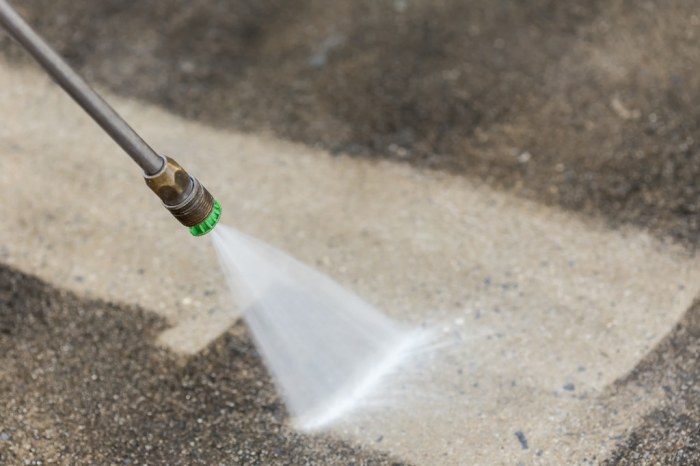
Pressure washing, a powerful cleaning method, relies on the forceful ejection of water to remove dirt, grime, and other unwanted substances from surfaces. Understanding the underlying principles of this process is crucial for both effective cleaning and, most importantly, user safety. This section will delve into the core mechanics of pressure washers, the various types available, and the vital safety precautions one must always adhere to.
Core Mechanics of Pressure Washers
The operation of a pressure washer is based on a straightforward principle: increasing the pressure of water and directing it through a nozzle. This focused stream of high-pressure water then dislodges contaminants from the targeted surface. Several key components work in concert to achieve this.
The heart of the pressure washer is the pump. This component is responsible for drawing water from a source, such as a garden hose, and significantly increasing its pressure. The pump type can vary, but its primary function remains the same: to generate the necessary force to propel the water. The pump is often powered by either an electric motor or a gasoline engine, which influences the overall power and portability of the pressure washer. The pump’s efficiency and durability are critical factors in the longevity and performance of the machine.
Next, the nozzle plays a crucial role in controlling the water stream. Nozzles come in various shapes and sizes, each designed to produce a specific spray pattern. These patterns range from a narrow, concentrated jet for maximum cleaning power to a wider fan for covering larger areas. The nozzle’s design also influences the water’s impact force and the area it covers. Choosing the correct nozzle for the task is essential for achieving the desired cleaning results while minimizing the risk of damaging the surface being cleaned. For example, a narrow nozzle might be ideal for removing stubborn stains on concrete, while a wider nozzle would be better suited for washing a car.
The water source is the starting point of the cleaning process. The pressure washer draws water from a readily available supply, such as a garden hose connected to a municipal water system or a well. The water is then channeled to the pump, where its pressure is intensified. The quality of the water source can also impact the pressure washer’s performance. For example, water with high mineral content can potentially clog the nozzle or damage the pump over time. Regular maintenance, including flushing the system and using a water filter if necessary, can help mitigate these issues.
The interaction of these components—the pump, the nozzle, and the water source—determines the effectiveness of the pressure washing process. The pump provides the pressure, the nozzle shapes the stream, and the water source supplies the cleaning agent. The user controls the process by selecting the appropriate nozzle and manipulating the spray pattern to achieve the desired cleaning outcome.
Types of Pressure Washers
Pressure washers are available in a variety of configurations, each designed to meet different cleaning needs and preferences. The primary distinctions lie in their power source, pressure ratings (PSI – pounds per square inch), and water flow rate (GPM – gallons per minute). Understanding these differences is critical for selecting the right machine for the job.
Electric pressure washers are typically the most common type for residential use. They are powered by electricity, making them relatively quiet and easy to operate. They are generally more compact and lightweight than gas-powered models, making them suitable for smaller cleaning tasks, such as washing cars, patios, and decks. However, their power output is usually lower than gas-powered units, limiting their effectiveness on heavily soiled surfaces.
- Advantages: Quiet operation, easy to start, lightweight, and often more affordable.
- Disadvantages: Limited power, restricted by the length of the extension cord, and may not be suitable for heavy-duty cleaning.
Gas-powered pressure washers are known for their increased power and portability. They use gasoline engines to drive the pump, allowing them to generate significantly higher PSI and GPM ratings. This makes them ideal for demanding cleaning tasks, such as removing stubborn stains from concrete, cleaning driveways, and washing siding. They are also suitable for professional use, where greater power and mobility are often required.
- Advantages: High power output, portable, and suitable for heavy-duty cleaning tasks.
- Disadvantages: Noisy operation, require gasoline and regular maintenance, and may be more expensive than electric models.
The PSI rating indicates the water pressure delivered by the pressure washer. Higher PSI values equate to more cleaning power. The GPM rating indicates the volume of water the pressure washer dispenses per minute. Higher GPM values allow for faster cleaning, especially when dealing with large surfaces. The combination of PSI and GPM determines the overall cleaning effectiveness. For instance, a pressure washer with 3000 PSI and 2.5 GPM would be suitable for most residential cleaning tasks, while a professional-grade unit might have 4000 PSI and 4 GPM or higher. The choice of PSI and GPM should be based on the specific cleaning requirements.
Safety Precautions for Pressure Washing
Operating a pressure washer requires adherence to strict safety precautions to prevent injuries and property damage. The high-pressure water stream can be dangerous if not handled correctly.
- Protective Gear: Always wear appropriate protective gear. This includes eye protection (safety glasses or goggles) to prevent water and debris from entering the eyes, and closed-toe shoes to protect the feet from the high-pressure water. Gloves are also recommended to protect the hands. Consider wearing long sleeves and pants to protect the skin from water and potential debris.
- Distance from the Surface: Maintain a safe distance from the surface being cleaned. The recommended distance varies depending on the PSI of the pressure washer and the material being cleaned. Starting at a greater distance and gradually moving closer is advisable to avoid damaging the surface. Testing the spray on an inconspicuous area before starting the full cleaning process is also a good practice. For example, when cleaning wood siding, maintain a greater distance and use a wider nozzle setting to prevent damage.
- Handling Electrical Components: If using an electric pressure washer, exercise extreme caution when handling electrical components. Never operate the pressure washer near water or in wet conditions. Ensure the electrical cord is in good condition and free from damage. Always plug the pressure washer into a grounded outlet. Avoid using extension cords unless necessary, and use a cord that is rated for outdoor use. Keep the electrical cord away from the water stream.
- Other Considerations:
- Never point the pressure washer nozzle at people or animals. The high-pressure stream can cause serious injuries.
- Be aware of your surroundings and ensure the cleaning area is free from obstacles.
- Always turn off the pressure washer and release the pressure in the hose before changing nozzles or performing any maintenance.
- Read and understand the owner’s manual before operating the pressure washer.
Selecting the Appropriate Pressure Washing Equipment is crucial for achieving desired outcomes and preventing damage.
Choosing the right pressure washing equipment is paramount to achieving cleaning goals while minimizing the risk of damage to surfaces. A hasty decision can lead to ineffective cleaning, property damage, or even personal injury. The selection process requires careful consideration of several key factors to ensure optimal performance and safety.
Factors in Equipment Selection
The choice of pressure washer hinges on a variety of elements. Consider the surface type, area size, and the nature of the grime. For example, delicate surfaces demand lower pressure settings and specialized nozzles, while robust materials can withstand higher pressures.
The first critical factor is the *surface being cleaned*. Surfaces like wood siding, painted surfaces, and vehicles require lower PSI (pounds per square inch) ratings, typically between 1,300 and 2,000 PSI, to prevent damage. Conversely, concrete driveways and patios can often handle higher pressures, potentially up to 3,000-4,000 PSI, for effective stain removal. The *size of the area* also influences equipment choice. For small areas, an electric pressure washer with a lower PSI and GPM (gallons per minute) may suffice. Larger areas, however, often necessitate a gas-powered pressure washer with higher PSI and GPM to cover the area quickly and efficiently.
The *type of dirt or grime* dictates the necessary cleaning power. Mildew, algae, and light dirt may be removed with lower pressure and the appropriate detergent. However, stubborn stains, such as oil, grease, or rust, require higher pressure, specialized nozzles, and potent cleaning solutions. Understanding these factors will ensure the selection of equipment that aligns with the specific needs of the cleaning task. Ignoring these factors can lead to inefficient cleaning, surface damage, and potential injury.
Nozzle Types and Their Applications
Selecting the correct nozzle is essential for effective and safe pressure washing. Different nozzle types produce varying spray patterns, influencing cleaning effectiveness and surface protection. Here’s a table illustrating the different nozzle types:
| Nozzle Type | Spray Pattern | Applications | Visual Illustration |
|---|---|---|---|
| 0-Degree Nozzle (Red) | Concentrated, pinpoint stream | Ideal for tough stains, spot cleaning, and removing stubborn grime. *Caution: Use with care, as it can damage surfaces.* | Imagine a very narrow cone, almost a solid line of water, forcefully ejected from the nozzle. This is represented visually as a tight, focused arrow. |
| 15-Degree Nozzle (Yellow) | Narrow fan pattern | Effective for general cleaning of hard surfaces, such as concrete, brick, and removing caked-on dirt. | Picture a slightly wider fan shape than the 0-degree nozzle, creating a concentrated spray. Visually, it is depicted as a slightly open fan. |
| 25-Degree Nozzle (Green) | Medium fan pattern | Suitable for cleaning a variety of surfaces, including siding, driveways, and fences. | Visualize a wider fan shape, offering a balanced cleaning action. The visual representation shows a moderate-width fan. |
| 40-Degree Nozzle (White) | Wide fan pattern | Best for delicate surfaces like vehicles, windows, and for rinsing. | Envision a broad, gentle fan, perfect for rinsing and light cleaning. The visual is a wide fan shape, covering a larger area. |
Essential Accessories and Supplies
Beyond the pressure washer itself, several accessories and supplies are crucial for efficient and effective cleaning. These items enhance the versatility and effectiveness of the pressure washing process.
- Detergents: Cleaning agents specifically designed for pressure washers, tailored to different cleaning needs. Examples include degreasers for oil stains, detergents for siding, and specialized cleaners for vehicles.
- Extension Wands: Extend the reach of the pressure washer, allowing cleaning of high or hard-to-reach areas without the need for ladders or scaffolding.
- Surface Cleaners: Designed for cleaning large, flat surfaces like driveways and patios, providing a more even and efficient cleaning process. They typically have rotating nozzles.
- Hose Extensions: Extend the length of the pressure washer hose, increasing the working area and maneuverability.
- Safety Gear: Includes safety glasses, gloves, and appropriate footwear to protect against water spray, debris, and cleaning chemicals.
Using the right accessories and supplies alongside the correct pressure washer and nozzle will guarantee safe and effective cleaning results.
Preparing Surfaces for Pressure Washing ensures optimal cleaning results and protects against damage.
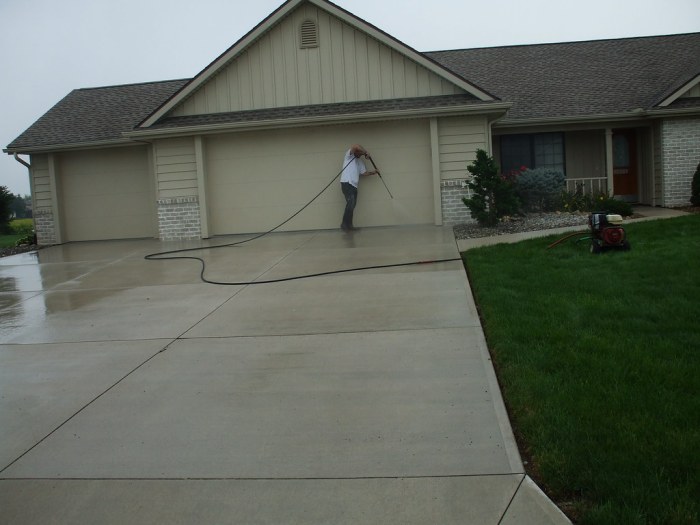
Surface preparation is a critical yet often overlooked step in pressure washing. It lays the groundwork for effective cleaning, maximizing the impact of the pressure washer while minimizing the risk of damage to the surface being treated. This proactive approach not only improves the final outcome but also extends the lifespan of the cleaned materials, making the entire process more efficient and cost-effective. Skipping this crucial step can lead to streaking, uneven cleaning, and potential harm to the underlying materials.
Pre-Cleaning Steps, Debris Removal, and Masking Techniques
Before wielding a pressure washer, a thorough surface assessment and pre-cleaning are essential. This involves several key steps designed to remove loose debris and protect vulnerable areas. This initial phase significantly enhances the effectiveness of the pressure washing process.
- Inspection: A detailed visual inspection of the surface is the first step. Identify areas of concern, such as peeling paint, cracks, or existing damage. Note the type of surface material to determine the appropriate pressure and nozzle type.
- Debris Removal: Removing loose debris is critical to avoid it being blasted around during the pressure washing process, potentially causing scratches or embedding itself further into the surface. This can be achieved with a broom, brush, or leaf blower.
- Pre-Washing with Detergent: Applying a suitable cleaning solution or detergent prior to pressure washing helps to loosen dirt, grime, and mildew. This pre-treatment allows the pressure washer to work more effectively. Ensure the detergent is appropriate for the surface being cleaned and follow the manufacturer’s instructions.
- Masking Sensitive Areas: Protecting sensitive areas is crucial. Mask windows, electrical outlets, plants, and any other items that could be damaged by high-pressure water or cleaning solutions. Use painter’s tape, plastic sheeting, or drop cloths to provide adequate protection.
Specific Preparation Methods for Different Surfaces
Different surfaces require tailored preparation methods to ensure effective cleaning without causing damage. The approach should be adjusted based on the material’s durability and sensitivity.
- Concrete: Concrete surfaces, such as driveways and sidewalks, often accumulate dirt, oil stains, and mildew. Before pressure washing, sweep away loose debris. Pre-treat oil stains with a degreaser. For mildew, use a mildew-specific cleaner. When pressure washing, use a wide-angle nozzle and maintain a safe distance to avoid etching the concrete.
- Wood: Wood surfaces, including decks and fences, are more susceptible to damage from high pressure. Remove loose paint and splinters with a scraper or wire brush. Apply a wood-safe cleaner and allow it to dwell before rinsing. Use a low-pressure setting and a fan nozzle to avoid damaging the wood fibers. Consider using a surface cleaner attachment for more even cleaning.
- Siding: Vinyl and other types of siding can be cleaned effectively with proper preparation. Rinse the siding with a garden hose to remove loose dirt and debris. Apply a siding cleaner and let it sit for a few minutes. Use a low-pressure setting and a fan nozzle, washing from the bottom up to avoid streaks.
- Vehicles: Before pressure washing a vehicle, rinse off loose dirt and debris. Apply a car wash soap and allow it to dwell. Use a low-pressure setting and a wide-angle nozzle to avoid damaging the paint. Avoid directing the water stream directly at sensitive areas, such as the engine or electrical components.
Testing the Pressure Washer on an Inconspicuous Area
Before commencing the full cleaning process, it is essential to test the pressure washer on an inconspicuous area. This step helps to prevent unwanted outcomes and ensure the chosen settings are appropriate for the surface being cleaned.
- Select a Test Area: Choose a small, out-of-sight area on the surface to be cleaned. This could be a corner, a hidden section, or an area that is not readily visible.
- Adjust Pressure and Nozzle: Start with a low-pressure setting and a wide-angle nozzle. Gradually increase the pressure and/or change the nozzle type if necessary, observing the surface for any signs of damage.
- Observe for Damage: Carefully observe the test area for any signs of damage, such as paint removal, etching, or discoloration. If any damage is observed, reduce the pressure or change the nozzle type immediately.
- Evaluate Cleaning Effectiveness: Assess the effectiveness of the cleaning. If the surface is not cleaning adequately, you may need to increase the pressure slightly or use a more concentrated cleaning solution.
- Document Results: Keep a record of the settings used and the results achieved in the test area. This will serve as a reference for the rest of the cleaning process.
Mastering Pressure Washing Techniques is vital for efficiency and achieving a professional finish.
Pressure washing, while seemingly straightforward, demands a nuanced understanding of techniques to achieve optimal results and avoid potential damage. Proficiency in these methods ensures not only a cleaner surface but also protects the integrity of the materials being cleaned. Careful attention to detail, from nozzle selection to spray pattern, is crucial for both aesthetic appeal and the longevity of the cleaned surfaces.
Nozzle Angles, Spray Patterns, and Distance
The selection of the appropriate nozzle and the manner in which it is used significantly influence the effectiveness and safety of the pressure washing process. Different nozzle types are designed for specific tasks, and understanding their characteristics is paramount.
The nozzle angle dictates the width of the spray. A 0-degree nozzle delivers a concentrated, powerful stream ideal for removing stubborn stains, while a 15-degree nozzle provides a wider spray for general cleaning. A 25-degree nozzle is commonly used for a balance between cleaning power and surface protection, suitable for most residential applications. A 40-degree nozzle offers a wider spray, ideal for delicate surfaces, and a soap nozzle is designed for applying cleaning solutions.
The spray pattern also plays a critical role. Overlapping passes, ensuring complete coverage, are essential for even cleaning. Maintaining a consistent distance between the nozzle and the surface is crucial to prevent damage.
Maintaining a consistent distance is vital; too close, and the pressure can etch or damage the surface; too far, and the cleaning effectiveness diminishes.
For example, when cleaning a wooden deck, a wider angle nozzle (25 or 40 degrees) should be used, and the nozzle should be held at least 6-12 inches from the surface. For a concrete driveway, a narrower angle (15 or 25 degrees) may be employed, allowing for a closer proximity of 4-8 inches. Experimenting on an inconspicuous area before starting the main cleaning is always recommended.
Effective Pressure Washing on Different Surfaces
The approach to pressure washing varies depending on the surface material. Understanding the unique characteristics of each material is essential for effective and safe cleaning.
* Driveways: Concrete driveways benefit from a concentrated spray. Using a 15 or 25-degree nozzle and overlapping passes, move the wand in a sweeping motion. Applying a concrete cleaner beforehand can help lift dirt and grime. For oil stains, consider using a degreaser.
* Decks: Wooden decks require a gentler approach. Use a 25 or 40-degree nozzle and maintain a greater distance from the surface. Apply deck cleaner to prevent damage to the wood. Avoid using excessive pressure, as it can splinter the wood.
* Fences: Similar to decks, fences, especially those made of wood, require a careful approach. Use a wider angle nozzle and apply a wood cleaner. Avoid concentrating the spray on one area for too long.
* Vehicles: Washing vehicles requires specialized care. Start with a soap nozzle to apply car wash soap. Use a 40-degree nozzle or a dedicated car wash nozzle and maintain a safe distance. Rinse thoroughly to remove all soap residue.
Common Pressure Washing Mistakes and How to Avoid Them
Avoiding common pressure washing mistakes is crucial for safety and achieving optimal results. These errors can lead to damage to the surface, personal injury, and equipment malfunction.
* Using the wrong nozzle: Selecting the wrong nozzle can cause surface damage or inadequate cleaning. Always choose the correct nozzle for the surface and the task.
* Holding the nozzle too close: This can etch or damage the surface, especially on wood and softer materials. Maintain the correct distance from the surface.
* Using excessive pressure: High pressure can damage surfaces. Always start with a lower pressure setting and increase it gradually if needed.
* Not using appropriate cleaning solutions: Using the wrong cleaning solution can damage surfaces or be ineffective. Always use the appropriate cleaner for the surface being washed.
* Failing to wear protective gear: Pressure washing can be dangerous. Always wear eye protection, gloves, and appropriate footwear.
* Not testing in an inconspicuous area: Always test the cleaning process on a small, hidden area before washing the entire surface. This helps to ensure that the cleaning method is safe and effective.
Exploring the Use of Detergents and Cleaning Solutions enhances cleaning effectiveness and tackles tough stains.
Pressure washing, while effective on its own, often benefits significantly from the strategic application of detergents and cleaning solutions. These specialized formulations enhance cleaning power, tackle stubborn stains, and protect surfaces. The selection and application of these solutions are critical for achieving optimal results while minimizing potential damage to the surface and the environment. This section delves into the diverse world of pressure washing detergents, exploring their chemical compositions, applications, and responsible usage.
Types of Detergents and Cleaning Solutions
The effectiveness of pressure washing relies heavily on the right cleaning solution. The market offers a wide array of options, each designed for specific tasks and surfaces. Understanding the composition and application of each type is crucial for optimal results.
- Detergents for General Cleaning: These are all-purpose cleaners suitable for various surfaces like concrete, siding, and driveways. They typically contain surfactants, which lower the surface tension of water, allowing it to penetrate and lift dirt.
- Chemical Composition: Surfactants (anionic, cationic, non-ionic), builders (to soften water and enhance cleaning), and sometimes solvents.
- Applications: Removing general dirt, grime, and mildew from various exterior surfaces.
- Suitability: Generally safe for most surfaces, but always test in an inconspicuous area first.
- Degreasers: Formulated to cut through grease, oil, and grime. They are particularly effective for cleaning machinery, garage floors, and areas exposed to automotive fluids.
- Chemical Composition: Solvents (petroleum-based or citrus-based), alkaline builders, and emulsifiers.
- Applications: Removing oil stains, grease, and other stubborn contaminants.
- Suitability: Effective on concrete, metal, and other non-porous surfaces. Use caution on painted surfaces, as some degreasers can strip paint.
- Surface Cleaners: Designed for specific materials, such as wood, vinyl, or concrete. These cleaners often contain specialized additives to protect the surface while removing dirt and stains.
- Chemical Composition: Specific surfactants, chelating agents (to remove mineral deposits), and sometimes biocides (to prevent mold and mildew).
- Applications: Cleaning decks, fences, siding, and other surfaces without causing damage.
- Suitability: Select the appropriate cleaner based on the surface material. Always read and follow manufacturer’s instructions.
- Specialty Cleaners: This category includes cleaners for specific tasks, such as removing rust, graffiti, or algae.
- Chemical Composition: Acidic or alkaline chemicals, depending on the target stain. Examples include hydrochloric acid (for rust removal) or sodium hydroxide (for graffiti removal).
- Applications: Removing specific stains or contaminants.
- Suitability: Use with extreme caution. Always wear appropriate personal protective equipment (PPE) and test in an inconspicuous area.
Eco-Friendly Cleaning Solutions vs. Traditional Detergents
The environmental impact of pressure washing detergents is a growing concern. Eco-friendly alternatives offer a more sustainable approach to cleaning. A comparative analysis highlights the key differences between these two categories.
- Traditional Detergents: These detergents often contain harsh chemicals that can harm the environment.
- Environmental Impact: Can pollute water sources, harm aquatic life, and contribute to soil contamination.
- Effectiveness: Generally more effective at removing tough stains due to their potent chemical composition.
- Examples: Contain phosphates, chlorine bleach, and petroleum-based solvents.
- Eco-Friendly Cleaning Solutions: These solutions are formulated with biodegradable and environmentally friendly ingredients.
- Environmental Impact: Designed to break down naturally, minimizing harm to the environment. They often use plant-based surfactants and other sustainable ingredients.
- Effectiveness: May require more dwell time or multiple applications to achieve the same results as traditional detergents, but are often effective for general cleaning tasks.
- Examples: Contain plant-based surfactants, biodegradable solvents, and often carry certifications like the EPA’s Safer Choice label.
The choice between traditional and eco-friendly options depends on the specific cleaning needs and environmental priorities. For example, a homeowner cleaning a heavily stained driveway might opt for a traditional degreaser for maximum effectiveness. However, for routine cleaning of siding, an eco-friendly option might be sufficient and more environmentally responsible.
Step-by-Step Procedure for Applying Detergents and Cleaning Solutions
Proper application of detergents and cleaning solutions is crucial for safety and effectiveness. This procedure Artikels the steps involved in using these products with a pressure washer.
- Preparation:
- Surface Preparation: Clear the area of any obstructions, such as furniture or plants. Pre-rinse the surface with clean water to remove loose debris.
- Safety Gear: Wear appropriate PPE, including eye protection, gloves, and protective clothing.
- Equipment Setup: Ensure the pressure washer is properly assembled and connected to a water source.
- Dilution:
- Read the Label: Carefully read the detergent’s label to determine the recommended dilution ratio. This is usually expressed as parts detergent to parts water.
- Mixing: Mix the detergent and water in a separate container, or use the pressure washer’s detergent injector if available.
- Example: A typical dilution ratio might be 1:10 (1 part detergent to 10 parts water) for general cleaning. For tougher stains, the ratio might be adjusted to 1:5 or even undiluted, but always test in an inconspicuous area first.
- Application:
- Apply the Detergent: Using the pressure washer’s low-pressure nozzle (typically the black or white nozzle), apply the detergent evenly to the surface. Overlap each pass to ensure complete coverage.
- Dwell Time: Allow the detergent to dwell on the surface for the recommended time (dwell time). This allows the detergent to penetrate and loosen the dirt and stains. Dwell times vary depending on the detergent and the severity of the stain, but typically range from 5 to 15 minutes.
- Important Note: Do not allow the detergent to dry on the surface, as this can cause streaks or damage. If the surface starts to dry, rinse it immediately.
- Rinsing:
- High-Pressure Rinse: After the dwell time, switch to a high-pressure nozzle (typically the green or yellow nozzle) and rinse the surface thoroughly.
- Rinse Direction: Rinse from the top down to prevent streaking and ensure all the detergent is removed.
- Inspection: Inspect the surface to ensure all the detergent is removed and that the cleaning results are satisfactory. Repeat the process if necessary.
- Post-Cleaning:
- Clean Up: Rinse the pressure washer and clean up any spills.
- Disposal: Dispose of any unused detergent properly according to local regulations.
By following these guidelines, pressure washing professionals and homeowners can effectively use detergents and cleaning solutions to achieve optimal cleaning results while prioritizing safety and environmental responsibility.
Addressing Common Pressure Washing Challenges enables a smooth and successful cleaning experience.
Pressure washing, while effective, can present challenges. Recognizing and addressing these issues proactively ensures efficient cleaning and prevents potential damage to surfaces. Understanding these common problems and their solutions is crucial for achieving professional-grade results and maintaining the longevity of the cleaned areas.
Common Pressure Washing Issues and Solutions
Several issues can arise during pressure washing, affecting the final outcome. These challenges, often stemming from improper technique or equipment malfunction, require specific remedies.
Streaks, for instance, are a frequent problem, often caused by uneven application or overlapping passes. To mitigate this, maintain a consistent distance between the nozzle and the surface, and ensure overlapping strokes by approximately 50% to prevent uneven cleaning. Water spots, another common complaint, typically result from mineral-rich water drying on the surface. Employing a spot-free rinse, utilizing a water softener, or drying the surface immediately after washing can effectively eliminate these spots. Surface damage, ranging from paint removal to etching on delicate materials, arises from excessive pressure or incorrect nozzle selection. Always test in an inconspicuous area, and choose the appropriate nozzle type and pressure setting for the specific surface being cleaned. For example, using a wide-angle nozzle and lower pressure is recommended for wood siding compared to concrete driveways.
Troubleshooting Pressure Washer Problems
Pressure washers, like any mechanical device, are prone to malfunctions. Identifying the root cause of these issues is the first step toward a successful repair. Here’s a troubleshooting guide for common problems:
Low Pressure: This is a prevalent issue that can significantly reduce cleaning effectiveness.
- Causes: Clogged nozzles, air leaks in the hose or fittings, a faulty pump, or a clogged water inlet filter.
- Remedies: Inspect and clean the nozzle, tighten all connections, check the water inlet filter for debris, and consider replacing the pump if it is significantly worn. If the pressure is still low after these steps, the pressure regulator may need adjustment or replacement.
Nozzle Clogs: Clogged nozzles restrict water flow, leading to reduced pressure and uneven spraying.
- Causes: Debris in the water supply, such as sediment or mineral deposits, or buildup of cleaning solutions.
- Remedies: Remove the nozzle and flush it with clean water. Use a needle or specialized nozzle cleaning tool to remove any obstructions. Ensure the water supply is filtered to prevent future clogs. Consider using a nozzle cleaner solution.
Pump Malfunctions: Pump failure is a serious issue that can stop the pressure washer from functioning.
- Causes: Running the pump without water, overheating, or internal wear and tear.
- Remedies: Check the water supply and ensure the pump is primed before use. Avoid running the pump for extended periods without water. Consult the manufacturer’s manual for maintenance and repair instructions, or consider professional pump repair or replacement.
Removing Graffiti and Stubborn Stains
Removing graffiti and stubborn stains requires specialized techniques and cleaning solutions. The approach varies depending on the surface and the type of stain.
For graffiti removal, start by identifying the surface material. For painted surfaces, a graffiti remover specifically designed for paint may be effective. Apply the remover according to the manufacturer’s instructions, allow it to dwell, and then rinse with the pressure washer. For brick or concrete, a stronger solvent-based graffiti remover may be necessary. Always test the remover in an inconspicuous area first to ensure it does not damage the surface.
Stubborn stains, such as oil, grease, or rust, require tailored solutions. Oil and grease stains on concrete can often be removed with degreasers. Apply the degreaser, allow it to dwell, and then pressure wash. Rust stains may require the use of oxalic acid or other rust-removing solutions. Apply the solution according to the manufacturer’s instructions, allowing it to dwell before rinsing. Always prioritize safety, wearing appropriate personal protective equipment (PPE) like gloves, eye protection, and a respirator when using harsh chemicals.
Maintaining and Storing Pressure Washing Equipment extends its lifespan and ensures reliable performance.
Proper maintenance and storage are paramount to maximizing the lifespan and ensuring the dependable performance of pressure washing equipment. Neglecting these aspects can lead to costly repairs, reduced cleaning effectiveness, and premature equipment failure. Regular attention to maintenance and adherence to proper storage protocols will not only protect your investment but also guarantee consistent and efficient operation whenever you need it.
Essential Maintenance Tasks for Pressure Washers
Regular maintenance is crucial for keeping a pressure washer operating at peak efficiency. It involves a series of proactive steps to prevent breakdowns and extend the life of the equipment.
- Regular Inspections: Before each use, visually inspect the entire unit. Check for leaks in hoses and connections, damage to the pump and engine, and any signs of wear and tear on the nozzles and accessories. Look for any loose bolts or fasteners. Ensure all safety features, such as the ground fault circuit interrupter (GFCI) if applicable, are functioning correctly. A thorough inspection can often identify potential problems before they escalate into major issues.
- Cleaning the Unit: After each use, thoroughly clean the pressure washer. Remove any dirt, debris, or cleaning solutions from the exterior of the machine, including the pump, engine, and frame. Rinse the hoses and nozzles to prevent clogging and corrosion. Clean the water inlet filter regularly to ensure optimal water flow and prevent debris from entering the pump.
- Oil Changes: For gas-powered pressure washers, regular oil changes are essential for engine health. Follow the manufacturer’s recommendations for oil type and change intervals, typically based on operating hours. Check the oil level before each use and top it off as needed. Dirty or low oil can cause significant engine damage.
- Filter Replacement: Replace the fuel filter and air filter according to the manufacturer’s guidelines. Clogged filters restrict airflow and fuel delivery, impacting engine performance and efficiency. Use the correct replacement filters specified for your model.
- Pump Maintenance: The pump is the heart of the pressure washer. Check for leaks and replace seals as needed. Some pumps require regular lubrication; consult the owner’s manual for specific instructions. In areas with hard water, consider using a water softener to prevent mineral buildup within the pump.
- Nozzle Maintenance: Nozzles can wear down over time, affecting pressure and cleaning performance. Inspect the nozzles for wear and tear, and replace them if necessary. Use the correct nozzle for the cleaning task at hand to avoid damage to surfaces and optimize cleaning results.
- Hose Inspection and Replacement: Inspect the high-pressure hose for cracks, kinks, or abrasions. Replace the hose if any damage is found. Damaged hoses can leak, reducing pressure and potentially causing injury. Always use the correct hose for your pressure washer’s specifications.
Winterization Procedure for Pressure Washers
Winterizing a pressure washer is critical to prevent damage from freezing temperatures, especially for those living in regions with cold winters. Freezing water can expand and crack the pump, engine, and other components.
- Disconnect and Drain: Disconnect the pressure washer from the water and power sources. Drain all water from the pump, hoses, and accessories. This is the first and most crucial step.
- Add Pump Saver: Introduce a pump saver solution into the pump. This antifreeze-based solution protects the pump seals and internal components from freezing. Follow the manufacturer’s instructions for applying the pump saver. This typically involves connecting a pump saver bottle to the water inlet and running the pressure washer briefly to circulate the solution.
- Engine Protection (Gas Models): For gas-powered units, add fuel stabilizer to the fuel tank to prevent the fuel from degrading over the winter. Run the engine for a few minutes to circulate the stabilized fuel throughout the system. Consider draining the fuel tank entirely if the unit will be stored for an extended period.
- Store Indoors: Store the pressure washer in a dry, protected location, such as a garage or shed. Avoid storing it outdoors, where it will be exposed to the elements.
Safe and Effective Storage Practices
Proper storage practices are essential for preserving the condition of pressure washing equipment during periods of inactivity.
- Location: Store the pressure washer in a dry, well-ventilated location, away from direct sunlight and extreme temperatures. A garage, shed, or basement is ideal. Avoid storing the unit in damp or humid environments, which can promote rust and corrosion.
- Environment: Ensure the storage environment is free from dust, debris, and potential hazards. Keep the area clean and organized. Avoid storing the pressure washer near chemicals or other corrosive materials.
- Protective Measures: Cover the pressure washer with a protective cover to shield it from dust and debris. This will also help prevent damage from accidental impacts. Store accessories, such as nozzles and hoses, in a separate container to keep them organized and protected.
- Upright Position: Store the pressure washer in an upright position to prevent any potential leakage of fluids. This is especially important for gas-powered units.
- Regular Inspection During Storage: Even during storage, it’s beneficial to inspect the pressure washer periodically. Check for any signs of leaks, corrosion, or other damage. This will help you address any issues before they worsen.
Pressure Washing for Various Surfaces showcases the versatility of the cleaning method.

Pressure washing’s adaptability is its strength, enabling effective cleaning across a wide array of surfaces. Understanding the nuances of each material, from porous brick to delicate stucco, is key to achieving optimal results without causing damage. The selection of the right equipment and techniques ensures a professional finish and extends the lifespan of the cleaned surfaces.
Cleaning Brick, Stone, and Stucco
These materials, while durable, require careful consideration during pressure washing. Improper techniques can lead to erosion, discoloration, and water damage.
* Brick: Use a fan nozzle with a wide spray pattern. Maintain a low pressure setting (around 1500-2000 PSI). Detergents formulated for masonry can help remove stubborn stains. Start washing from the top down to prevent streaking.
* Stone: Similar to brick, a fan nozzle is recommended. The pressure setting depends on the stone type; softer stones require lower pressure (1000-1500 PSI). Avoid concentrated detergents; opt for pH-neutral cleaners to prevent etching. Test a small, inconspicuous area first.
* Stucco: Stucco is particularly susceptible to damage. Use a fan nozzle and keep the pressure extremely low (500-1000 PSI). Apply the detergent from the bottom up to prevent the cleaner from drying before rinsing. Rinse thoroughly to remove all detergent residue.
Pressure Washing Wood Decks and Fences
Wood requires a gentler approach to avoid damaging the wood grain and causing splinters.
Correct Approach for Wood Surfaces:
- Use a wide-angle nozzle (40-degree or greater).
- Set the pressure to the lowest possible setting (500-1000 PSI).
- Apply a wood-safe detergent or cleaner.
- Wash with the wood grain, not against it.
- Rinse thoroughly.
- Consider applying a wood sealant or stain after cleaning.
Safe and Effective Pressure Washing of Vehicles
Pressure washing vehicles, from cars to RVs, demands a cautious approach to prevent damage to paint, seals, and sensitive components.
* Cars and Trucks: Use a wide-angle nozzle and maintain a low pressure setting (1000-1500 PSI). Apply car wash soap and rinse thoroughly. Avoid directing the spray directly at sensitive areas.
* RVs: RVs have more sensitive components. Use a wider angle nozzle and the lowest possible pressure setting (800-1200 PSI). Exercise extra caution around windows, seals, and vents. Avoid direct spraying into electrical components.
* Areas to Avoid Direct Pressure:
- Radiators and air intakes.
- Electrical components and fuse boxes.
- Window seals and weatherstripping.
- Areas with decals or stickers.
Outcome Summary
In conclusion, pressure washing is a versatile and essential tool for maintaining the beauty and value of your property. By understanding the fundamentals, selecting the right equipment, and employing the correct techniques, you can achieve remarkable results while protecting your surfaces. Embrace the power of pressure washing and transform your surroundings, one clean surface at a time.
