
Japanese plant cart aesthetics are gaining traction as a sophisticated design element. This trend transcends mere horticultural display, incorporating meticulously considered color palettes, material choices, and spatial arrangements. The aesthetic reflects a deep-rooted cultural appreciation for nature, evident in the symbolic meanings embedded within the plants and objects featured on these miniature gardens.
Beyond the visual appeal, the Japanese plant cart aesthetic fosters a sense of tranquility and harmony. The careful curation of plants, containers, and overall presentation cultivates a serene atmosphere, perfect for enhancing interior spaces.
Defining the Aesthetic
The Japanese plant cart aesthetic, a burgeoning trend in interior design and home decor, evokes a sense of tranquility and understated elegance. It draws inspiration from traditional Japanese design principles, emphasizing natural elements and a mindful appreciation for the beauty of plants. This aesthetic extends beyond mere decoration; it reflects a philosophy of mindful living and connection with nature.This aesthetic is characterized by a harmonious blend of natural elements and meticulously crafted details.
It’s not simply about arranging plants; it’s about creating a serene and visually appealing space that encourages introspection and a connection with the natural world. The careful selection of materials, colors, and shapes, combined with symbolic representations, contribute to the overall aesthetic appeal. The meticulous arrangement of plants and accessories contributes to a visual narrative.
Core Elements
The core elements of the Japanese plant cart aesthetic include a restrained color palette, often centered around earthy tones and muted greens, reflecting the natural world. Materials like wood, bamboo, and ceramic are frequently employed, contributing to the aesthetic’s connection with nature. Shapes are often simple and organic, mimicking the forms found in nature. The symbolic representation of plants and their arrangement further enhances the aesthetic’s overall message.
Historical and Cultural Context
This aesthetic is deeply rooted in Japanese aesthetics, particularly the principles of wabi-sabi, which emphasizes the beauty of imperfection, impermanence, and natural simplicity. The appreciation for nature in Japanese culture has a long history, reflected in various art forms and practices. The practice of cultivating and appreciating plants is deeply embedded in Japanese culture, often seen as a way to connect with nature and find tranquility.
The use of plant carts as a means to display and appreciate plants has been part of Japanese gardens and homes for centuries. The minimalist approach, found in traditional Japanese architecture and design, influences the restrained color palettes and shapes often observed in the plant cart aesthetic.
Visual Representations
Examples of visual representations of this aesthetic frequently feature low, handcrafted plant carts constructed from natural materials like bamboo or wood. The carts often hold a variety of plants, including succulents, air plants, and small flowering plants. The plants are carefully arranged to create a sense of balance and harmony. The carts are often placed in a corner of a room, or against a wall, allowing the plants to be the focal point.
These carts can be simple, with minimal decorations, or more elaborate, with intricate carvings and embellishments. Lighting often plays a crucial role, highlighting the plants and the natural beauty of the cart itself.
Categorization of Key Elements
| Color Palette | Material | Shape | Symbolism |
|---|---|---|---|
| Earthy tones (browns, creams, grays), muted greens, black | Wood (bamboo, cedar), ceramic, stone, metal | Simple, organic shapes, asymmetrical balance, minimalist | Tranquility, connection with nature, growth, life, balance, wabi-sabi |
Key Visual Elements
The Japanese plant cart aesthetic, a harmonious blend of nature and design, relies heavily on carefully curated visual elements. This aesthetic transcends mere decoration; it evokes a sense of tranquility and connection with the natural world, often used in cafes, homes, and even small businesses. The careful selection of colors, plants, containers, and textures plays a vital role in achieving this serene atmosphere.The visual language of this aesthetic is intentional, drawing from Japanese design principles like minimalism, balance, and natural harmony.
These principles translate into a visual vocabulary of refined simplicity, where each element contributes to the overall mood. The goal is to create a space that is not only aesthetically pleasing but also spiritually enriching.
Color Palettes
The color palettes in this aesthetic tend towards calming and earthy tones. Muted greens, various shades of brown, and soft pastels like sage, lavender, and blush pink are frequently seen. These hues evoke a sense of serenity and connection to nature, reflecting the calming influence of greenery. Variations of beige, cream, and gray also contribute to the overall sense of understated elegance.
Plant Choices
The selection of plants is crucial in defining the aesthetic’s character. Common choices include air plants, succulents, ferns, and small flowering plants. These plants are often chosen for their low-maintenance qualities and ability to thrive in controlled environments. Furthermore, the visual appeal of these plants, their unique forms and foliage textures, are paramount in crafting the aesthetic’s distinct character.
Container Shapes and Forms
Containers used for plant carts often feature simple, elegant designs. Round, square, or rectangular shapes are common, often made from materials like ceramic, wood, or metal. The materials are frequently natural or neutral in tone, allowing the plants to take center stage. The selection of containers is key to achieving the balance and harmony within the overall aesthetic.
Natural Textures and Materials
Natural textures and materials are essential to the Japanese plant cart aesthetic. The use of natural materials like wood, stone, and ceramic evokes a sense of connection with nature. The subtle variations in textures, like the smooth finish of ceramic or the warm grain of wood, enhance the overall visual appeal. The tactile experience also contributes to the overall atmosphere of calm and serenity.
Plant Symbolism and Visual Identity
| Plant Type | Container Material | Color Scheme | Associated Symbolism |
|---|---|---|---|
| Air Plant | Ceramic or Wooden Planter | Muted Greens, Grays | Airiness, Purity, Spiritual Connection |
| Succulents | Terracotta Pots | Earthy Tones, Greens | Resilience, Adaptability, Growth in Minimal Space |
| Ferns | Stoneware Pots | Soft Greens, Browns | Subtlety, Calmness, Nature’s Delicacy |
| Small Flowering Plants | Earthenware or Wooden Planters | Soft Pastels, Whites | Delicate Beauty, Fragility, Tranquility |
Spatial Arrangements
Japanese plant carts, meticulously crafted for aesthetic appeal, prioritize spatial arrangements that evoke a sense of tranquility and harmony. The careful selection and positioning of plants within the cart’s confines are integral to the overall visual experience, contributing to a calming and inviting atmosphere. These arrangements are not merely collections of plants but carefully considered compositions that reflect the principles of Japanese aesthetics.The arrangement of plants on these carts is a delicate balance between visual appeal and functionality.
The weight distribution and stability of the arrangement are critical, ensuring the cart’s longevity and safety. Plant selection and placement are crucial, as they directly influence the overall mood and atmosphere of the display.
Plant Arrangement Techniques
The selection of plants and their placement on the cart often mirrors natural settings, aiming to create miniature landscapes. Common compositions include arrangements that mimic rock gardens (karesansui), with strategically placed stones and plants, or incorporate elements of traditional Japanese gardens, emphasizing the interplay of empty space and foliage. These miniature landscapes are not only visually appealing but also provide a connection to nature’s beauty.
Frequently, plants are chosen for their foliage and textures rather than solely for their blooms, showcasing the elegance of leaf forms and varying shades of green.
Common Compositions and Layouts
Various compositions and layouts are employed to create captivating displays. Radial arrangements, which feature plants radiating outward from a central point, are a popular choice, symbolizing balance and growth. Linear arrangements, which use plants in a row, provide a sense of order and elegance. Vertical arrangements, which place plants at varying heights, emphasize depth and dimension. These diverse approaches highlight the versatility of plant carts in expressing a variety of moods.
Principles of Balance and Harmony
Balance and harmony are essential in these arrangements. Symmetry, where one side mirrors the other, or asymmetry, where elements are placed in a balanced yet unequal manner, both contribute to visual harmony. The use of negative space, or the strategic placement of empty areas, is crucial in drawing attention to the plants and creating a sense of serenity.
The color palette and textures of the plants play a vital role in achieving a harmonious and balanced aesthetic.
Cart Type, Plant Arrangement, Lighting, and Mood
| Cart Type | Plant Arrangement | Lighting Scheme | Overall Mood |
|---|---|---|---|
| Low, Wide Cart | Dense, layered arrangement with varying heights; focus on foliage | Soft, diffused lighting from overhead; potentially accent lighting on specific plants | Calm, serene, grounding |
| Tall, Narrow Cart | Vertical arrangement, emphasis on height and cascading plants | Indirect lighting from above; backlighting to highlight textures | Elevated, elegant, refined |
| Square Cart | Symmetrical or asymmetrical arrangement with a focus on balanced elements; potentially incorporating rocks or gravel | Ambient lighting to create a warm and inviting atmosphere | Balanced, harmonious, grounded |
| Round Cart | Radial arrangement; plants radiate outwards from a central point; emphasis on circularity | Soft, diffused lighting; gentle uplighting | Enveloping, tranquil, circular |
Materials and Craftsmanship
The aesthetic of Japanese plant carts hinges not just on design but also on the meticulous selection of materials and the skillful execution of craftsmanship. The enduring appeal of these carts often stems from the interplay between the natural beauty of the plants and the refined artistry of their containers. This careful consideration of materials and techniques contributes significantly to the overall elegance and enduring quality of the carts.The artistry inherent in Japanese plant carts transcends mere utility.
The choice of materials, from the wood to the metal, often reflects the region’s history, cultural values, and respect for nature. Craftsmanship, in this context, isn’t simply about function but about imbuing the cart with a sense of place and time, making it a tangible expression of traditional Japanese values.
Materials Frequently Used
A variety of materials contribute to the aesthetic and structural integrity of Japanese plant carts. Wood, often seasoned and carefully selected for its grain and durability, is a prevalent choice. Metal, particularly wrought iron or brass, adds a touch of sophistication and can be intricately shaped. Lacquer, a traditional Japanese finish, is used to protect and enhance the natural beauty of the wood, adding a glossy sheen or a subtle matte finish.
Other materials, such as bamboo, stone, and ceramic, contribute to the diverse array of designs.
Importance of Craftsmanship
Craftsmanship plays a crucial role in the enduring appeal of Japanese plant carts. The careful selection and preparation of materials, coupled with precise techniques in woodworking, metalworking, and lacquer application, contribute to the aesthetic value and structural integrity of the carts. This commitment to quality craftsmanship elevates the plant cart beyond a simple functional object; it becomes an artistic expression, often imbued with historical significance.
Techniques Used in Creation
Traditional woodworking techniques, such as joinery and carving, are commonly employed to create the structural elements of the carts. The intricate designs of metalwork often involve forging, hammering, and shaping techniques. The application of lacquer requires meticulous layers and careful drying to achieve the desired finish and protection. The careful selection of the materials and the mastery of these techniques ensure the longevity and aesthetic appeal of the carts.
Table of Materials and Techniques
| Material | Construction Techniques | Examples of Carts | Historical Context |
|---|---|---|---|
| Wood (e.g., cedar, cherry, maple) | Carving, joinery, turning | Traditional, minimalist, or elaborate designs | Often reflects regional variations in wood availability and local craftsmanship traditions. |
| Metal (e.g., wrought iron, brass, copper) | Forging, hammering, shaping, inlay | Ornamental details, accents, or structural components | Reflects historical metalworking techniques and societal status in different periods. |
| Lacquer | Multiple layers, meticulous application, drying | Glossy or matte finishes on wooden components | Symbolizes craftsmanship and attention to detail, often signifying high-quality production. |
| Bamboo | Weaving, bending, shaping | Light, portable carts, often in contemporary designs | Highlights the sustainable use of natural resources and adaptability of design. |
Symbolism and Meaning
The Japanese plant cart aesthetic, deeply rooted in centuries of tradition, imbues everyday objects with profound symbolic meaning. These meanings, often intertwined with nature and cultural values, shape the aesthetic’s overall impact and communicate nuanced messages to the observer. From the delicate blossoms to the meticulously crafted containers, each element carries a rich tapestry of symbolism.The aesthetic’s cultural significance extends beyond mere visual appeal, reflecting core values like appreciation for natural beauty, mindful living, and respect for tradition.
These symbolic layers create a richer, more profound connection between the viewer and the aesthetic, prompting introspection and a deeper understanding of Japanese culture.
Symbolic Plants and Objects
The selection of plants and objects within the aesthetic is not arbitrary. Each choice carries specific symbolic weight, often drawing upon ancient traditions and philosophical concepts. Bamboo, for instance, signifies strength and resilience, mirroring the Japanese spirit of perseverance. Cherry blossoms (sakura) represent the ephemeral beauty of life and the transient nature of joy, evoking a sense of nostalgia and appreciation for the present moment.
Cultural Significance of the Aesthetic
This aesthetic transcends simple aesthetics, acting as a powerful reflection of Japanese culture. It embodies the Japanese appreciation for nature’s beauty, the practice of mindful living, and a reverence for tradition. The meticulous craftsmanship and attention to detail demonstrate a deep respect for the process and the finished product. These principles, deeply ingrained in Japanese culture, are evident in the aesthetic’s design.
Modern Interpretations
The enduring appeal of the Japanese plant cart aesthetic lies in its ability to adapt to modern sensibilities while maintaining its core values. Contemporary interpretations often integrate modern design elements with traditional techniques, resulting in a unique blend of old and new. This evolution allows the aesthetic to resonate with a broader audience, while still preserving its cultural roots.
Table of Symbolic Meanings
| Plant/Object | Symbolic Meaning | Cultural Context | Modern Interpretations |
|---|---|---|---|
| Bamboo | Strength, resilience, perseverance | Rooted in traditional Japanese philosophy, often associated with Zen and the ability to withstand hardship. | Used in modern interior design to evoke a sense of strength and tranquility; can represent a commitment to sustainability. |
| Cherry Blossoms (Sakura) | Ephemeral beauty, fleeting joy, impermanence | A powerful symbol of the beauty of nature’s cycles, representing the beauty of life and the importance of appreciating the present moment. | Often used as a motif in modern fashion, artwork, and décor, symbolizing the beauty of the present moment and a celebration of life. |
| Ivy | Growth, prosperity, connection | Symbolizes the continuous cycle of life and growth, often associated with family and longevity. | Used in modern landscaping and home décor to represent the idea of continuous growth and prosperity. |
| Koi Fish | Strength, determination, overcoming obstacles | Represents the courage and tenacity to overcome adversity, reflecting the Japanese spirit of perseverance. | Used as a modern motif in art, décor, and clothing, conveying resilience and the determination to overcome challenges. |
| Stone Lanterns | Tranquility, peace, remembrance | Often placed in gardens and temples, symbolizing a connection to the spiritual world and the pursuit of inner peace. | Used in modern landscaping and home décor to create a tranquil and contemplative atmosphere. |
Modern Interpretations
The Japanese plant cart aesthetic, deeply rooted in tradition, is finding renewed relevance in contemporary design. Its emphasis on natural beauty, mindful living, and carefully curated spaces resonates with modern sensibilities, leading to a diverse range of interpretations that blend the past with the present. This adaptation acknowledges the desire for calm, visually appealing, and functional environments, particularly in urban settings.Modern designers are reimagining the aesthetic by integrating its core principles into contemporary styles, such as minimalism, industrial design, and eclecticism.
This evolution involves a careful selection of materials and a conscious approach to spatial arrangements, reflecting a shift from traditional practices to more adaptable and innovative approaches.
Minimalist Interpretations
Minimalist interpretations of the Japanese plant cart aesthetic focus on clean lines, uncluttered spaces, and carefully chosen plants. This approach emphasizes the inherent beauty of the natural elements, highlighting their simplicity and elegance. Often, minimalist designs feature low-profile plant carts constructed from natural materials like wood or metal, showcasing a collection of carefully selected, visually striking plants. The arrangement prioritizes visual harmony and the uncluttered display of the plants, emphasizing the natural form of each.
The use of neutral colors for the cart and surrounding décor further enhances the minimalist aesthetic.
Industrial Interpretations
Industrial interpretations embrace raw materials and a raw aesthetic, often featuring exposed metal frames and concrete surfaces. These designs emphasize the juxtaposition of the organic nature of plants with the industrial materials, creating a striking contrast. The industrial design might involve a metal plant cart with a matte black finish, placed amidst a concrete or exposed brick wall, accented with bold, modern planters and lighting.
This juxtaposition is meant to balance the organic nature of the plants with the modern and often urban environment. The plants are carefully selected to complement the industrial aesthetic.
Eclectic Interpretations
Eclectic interpretations embrace a wider range of styles and elements. This approach combines the serene nature of the Japanese plant cart aesthetic with diverse elements and colors. The plant cart might be positioned within a room with a variety of design styles, including modern, vintage, or bohemian elements. The eclectic interpretation might involve a wooden cart with vibrant colors, paired with patterned planters and a selection of plants with contrasting textures.
This approach allows for personal expression while still maintaining the visual harmony of the Japanese aesthetic.
Bohemian Interpretations
Bohemian interpretations embrace a relaxed and free-flowing style, incorporating natural materials, vibrant colors, and a mix of textures. This design approach blends the plant cart’s inherent tranquility with the bohemian spirit. The cart might feature natural wood finishes with macrame details or other bohemian-inspired elements. The plant selection could include a variety of plants with different shapes and colors, placed in a way that is both organic and visually appealing.
Bohemian interpretations often incorporate handmade or vintage elements to further emphasize the relaxed and creative atmosphere.
| Style | Description | Materials | Examples |
|---|---|---|---|
| Minimalist | Clean lines, uncluttered, natural materials. | Wood, metal, neutral colors | Low-profile plant carts with a single, prominent plant species. |
| Industrial | Raw materials, juxtaposition of organic and industrial. | Metal, concrete, exposed brick. | Metal carts with bold planters, placed against a concrete backdrop. |
| Eclectic | Blends styles, diverse elements and colors. | Mixed materials, vibrant colors. | Wooden cart with patterned planters and diverse plant selection. |
| Bohemian | Relaxed, free-flowing, natural materials. | Natural wood, macrame, vibrant colors. | Wooden cart with macrame details, a variety of plants with contrasting textures. |
Inspiration for Interior Design
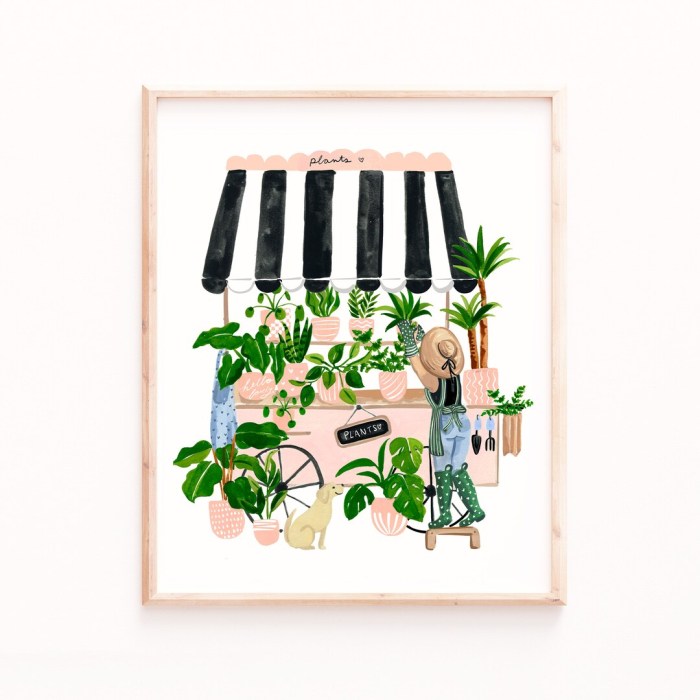
The Japanese plant cart aesthetic, rooted in centuries of Zen philosophy and horticultural artistry, offers a potent pathway to cultivate serene and aesthetically pleasing interior spaces. Its emphasis on natural materials, minimalist forms, and mindful arrangement techniques translates seamlessly into contemporary design, offering a refreshing alternative to conventional approaches. This aesthetic fosters a connection with nature, promoting a sense of tranquility and well-being.The Japanese plant cart aesthetic’s impact on interior design transcends mere decoration.
It subtly restructures the perception of space, emphasizing the harmony between the interior and the natural world. This aesthetic encourages mindful living, inviting residents to engage with the beauty and rhythm of nature. By integrating natural elements and minimalist design principles, it creates a sanctuary of calm, encouraging relaxation and introspection.
Impact on Creating Serene and Calming Spaces
The aesthetic’s inherent tranquility stems from its thoughtful integration of natural elements. The muted color palettes, often featuring earth tones and soft greens, evoke a sense of calmness and grounding. The carefully curated plant arrangements, often featuring a single focal point or a collection of carefully chosen specimens, create a focal point that subtly draws the eye and invites contemplation.
The minimalist forms and smooth, natural textures of the materials used further enhance the sense of serenity, reducing visual clutter and promoting a feeling of spaciousness.
Examples of Incorporation into a Room
Incorporating this aesthetic into a room is about more than just adding plants. It’s about establishing a holistic approach to design. For instance, a living room could feature a low, wooden plant cart, meticulously arranged with various succulents and air plants. The cart, a key element, would be situated as a focal point, drawing the eye while not overwhelming the space.
Complementary elements, such as a tatami mat or a bamboo-framed mirror, would further enhance the aesthetic, drawing a seamless connection to nature. Additionally, strategically placed Japanese-style lighting, often featuring indirect lighting and warm tones, would amplify the sense of calm and intimacy.
Table: Integrating the Aesthetic into Various Room Types
| Room Type | Elements of the Aesthetic | Plant Arrangement Ideas | Overall Mood |
|---|---|---|---|
| Living Room | Low wooden plant cart, bamboo-framed mirror, tatami mat, soft lighting | Succulents and air plants arranged on the cart, strategically placed low-maintenance plants. | Serene, calm, inviting |
| Bedroom | Minimalist bedside table, Japanese-style hanging lantern, natural fiber rug | Small bonsai or air plants on a tray or in a hanging planter, subtle greenery. | Relaxing, tranquil, meditative |
| Office/Study | Wooden shelving unit, minimalist desk, natural stone accents | Small, low-maintenance plants on the shelves or a single potted fern on the desk, potted bamboo. | Focused, productive, inspiring |
| Dining Room | Low wooden table, natural wood chairs, minimalist tableware | A small, curated plant arrangement on the dining table, perhaps a flowering plant for a touch of vibrancy. | Calm, elegant, and harmonious |
Potential Combinations
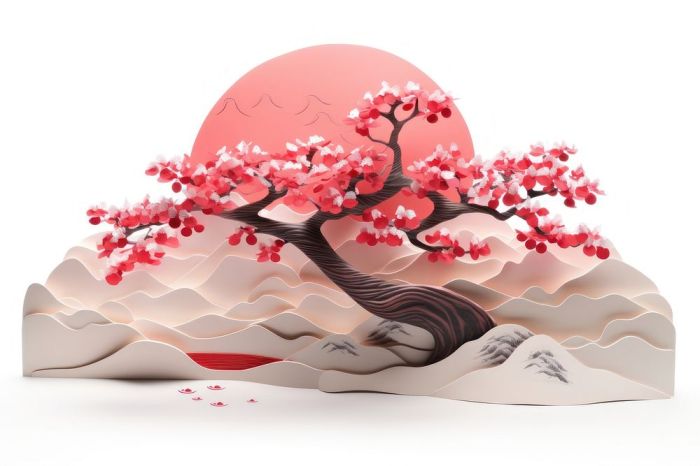
The Japanese plant cart aesthetic, with its emphasis on curated greenery and handcrafted details, offers a versatile platform for integration into diverse design schemes. Its inherent tranquility and natural beauty can seamlessly complement a wide range of styles, from modern minimalism to rustic charm. Understanding its potential combinations requires recognizing its core characteristics and how they interact with other design elements.This aesthetic, drawing from traditional Japanese principles of harmony and balance, is not limited to a single application.
Its inherent adaptability allows for integration into various design contexts, from residential interiors to commercial spaces, while retaining its distinct personality. The subtle interplay of materials, colors, and spatial arrangements allows for a wide range of expressions.
Comparison with Other Styles
The Japanese plant cart aesthetic, while possessing unique qualities, can be compared to and contrasted with other established styles. Its delicate balance of nature and craftsmanship distinguishes it from the bolder, often more maximalist, bohemian style. The restrained palette and clean lines of minimalism provide a stark contrast, highlighting the plant cart’s organic nature. Scandinavian design, with its emphasis on natural materials and simple forms, shares a kinship with the Japanese aesthetic, but the latter often incorporates more intricate details and a deeper symbolic meaning.
| Aesthetic | Japanese Plant Cart | Minimalist | Scandinavian | Boho |
|---|---|---|---|---|
| Core Elements | Curated greenery, handcrafted details, natural materials, tranquility | Clean lines, neutral palettes, simplicity, functionality | Natural materials, light colors, simplicity, functionality, warmth | Layered textures, eclectic pieces, natural elements, vibrant colors |
| Color Palette | Earthy tones, muted greens, browns, grays, accents of white | Neutral colors (whites, creams, grays, blacks) | Light neutrals, natural wood tones, pops of color | Mixed colors, often vibrant and bold, earthy tones |
| Materials | Wood, bamboo, ceramic, metal, natural fibers | Glass, steel, concrete, wood | Wood, textiles, leather, wool | Natural fibers, textiles, wood, metal, vintage finds |
| Spatial Arrangement | Emphasis on balance, negative space, strategic placement of elements | Open spaces, clear sightlines, clean organization | Natural light, warm tones, cozy feel | Layered, often asymmetrical arrangements, bohemian touches |
Potential Pairings with Other Design Elements
The Japanese plant cart aesthetic offers diverse possibilities for pairing with other design elements. A key consideration is the complementarity of the style’s elements. For example, incorporating a modern, sleek lighting fixture can accentuate the organic shapes of the plant cart. Adding sculptural ceramics or minimalist metal accents can create a balanced visual narrative. Careful selection of textiles, such as natural fibers or textured weaves, can enhance the overall harmony and visual interest.
Incorporating traditional Japanese art prints or calligraphy can further deepen the cultural connection and create a more layered visual experience.
Complementary Design Approaches
The Japanese plant cart aesthetic can complement various design approaches. Its tranquility and natural beauty can create a soothing atmosphere in a contemporary minimalist space. In a more traditional setting, the plant cart can be incorporated to introduce an element of modern serenity, bringing the outdoors in. The handcrafted details of the cart provide an organic contrast to geometric or angular designs, adding a touch of warmth and visual interest.
The aesthetic also complements a rustic or farmhouse design, adding a subtle layer of sophistication to a more casual style.
Illustrative Examples
The Japanese plant cart aesthetic, a fusion of minimalist design and nature’s beauty, translates into tangible forms with striking visual appeal. These carts, carefully crafted with meticulous attention to detail, showcase a deep appreciation for the symbiotic relationship between human creation and natural elements. Their impact extends beyond mere utility, becoming sculptural objects that enrich the spaces they inhabit.The diverse range of plant carts exemplifies the aesthetic’s versatility.
Each showcases unique interpretations of the core principles, highlighting the meticulous craftsmanship and careful selection of materials. From the understated elegance of a bamboo cart to the intricate artistry of a lacquered wooden model, these carts offer a glimpse into the subtle nuances of Japanese design.
Cart Example 1: The Bamboo Breeze
This cart, crafted from polished, natural bamboo, emphasizes the lightness and fluidity inherent in the Japanese aesthetic. The bamboo’s natural grain is left exposed, showcasing its inherent beauty and strength. The cart’s form is simple, almost sculptural, with clean lines that draw the eye. The cart’s minimalist design allows the plants to take center stage, enhancing their natural vibrancy.
Small, strategically placed accents, such as polished river stones or subtly carved wooden details, add depth without detracting from the bamboo’s natural charm. The overall effect is one of serene tranquility, evoking a sense of connection to nature.
Cart Example 2: The Lacquered Legacy
This cart, constructed from lacquered wood, exemplifies the rich tradition of Japanese craftsmanship. The deep, lustrous finish of the lacquer creates a warm and inviting atmosphere, reflecting light in a captivating way. Intricate carvings, inspired by traditional Japanese motifs or incorporating subtle floral patterns, adorn the cart’s frame. These elements contribute to a sense of historical continuity and artistry.
The use of a dark, rich lacquer further enhances the cart’s presence, creating a focal point in any space. The cart is carefully balanced and displays a robust construction, ensuring the cart’s durability and longevity.
Cart Example 3: The Ceramic Canopy
This cart, constructed from glazed ceramic, embodies the Japanese appreciation for delicate beauty. The cart’s form is sculpted with a gentle curve, creating a harmonious flow. The ceramic’s smooth texture contrasts beautifully with the rough, natural elements of the plants. The glaze, often a muted tone like celadon or a rich, earthen brown, complements the plant’s colors and adds a layer of visual interest.
Small, carefully placed ceramic pots, often featuring subtle designs, are strategically positioned on the cart, creating a sense of visual harmony. The subtle color palette and elegant form of the cart create a soothing, tranquil atmosphere.
Cart Example 4: The Wicker Whisper
This cart, crafted from hand-woven wicker, embodies the warmth and natural beauty of Japanese materials. The cart’s form is organic, flowing gently, mimicking the natural curves of nature. The woven texture creates a tactile experience, inviting interaction with the piece. The cart’s natural color palette, ranging from light beige to warm browns, seamlessly integrates with the surrounding environment.
The cart’s lightweight design allows for easy mobility and adaptability to different spaces. The delicate nature of the wicker allows for a balance of visual lightness and robust functionality.
Final Thoughts
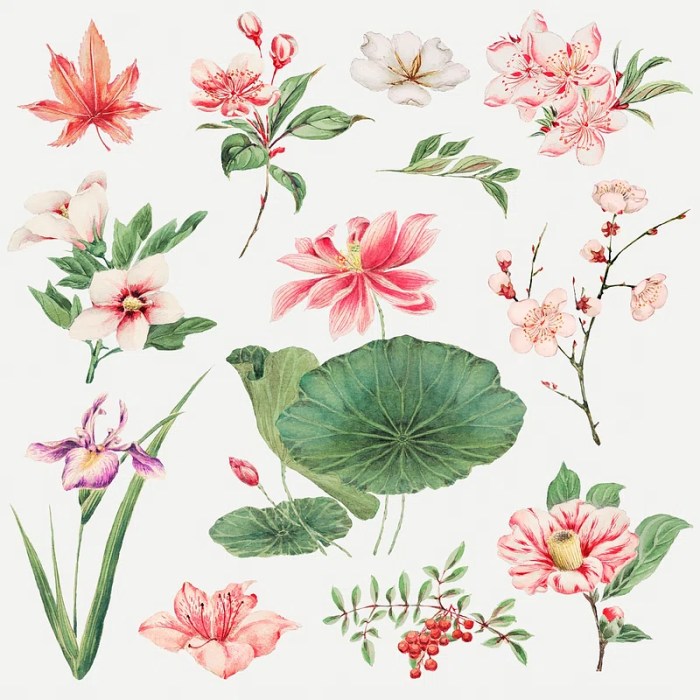
In conclusion, Japanese plant cart aesthetics are more than just a trend; they represent a rich tapestry of cultural symbolism and meticulous design principles. Their ability to seamlessly integrate into contemporary spaces, fostering a sense of calm and connection with nature, underscores their enduring appeal. This style offers a nuanced approach to interior design, blending beauty with a deeper cultural significance.
